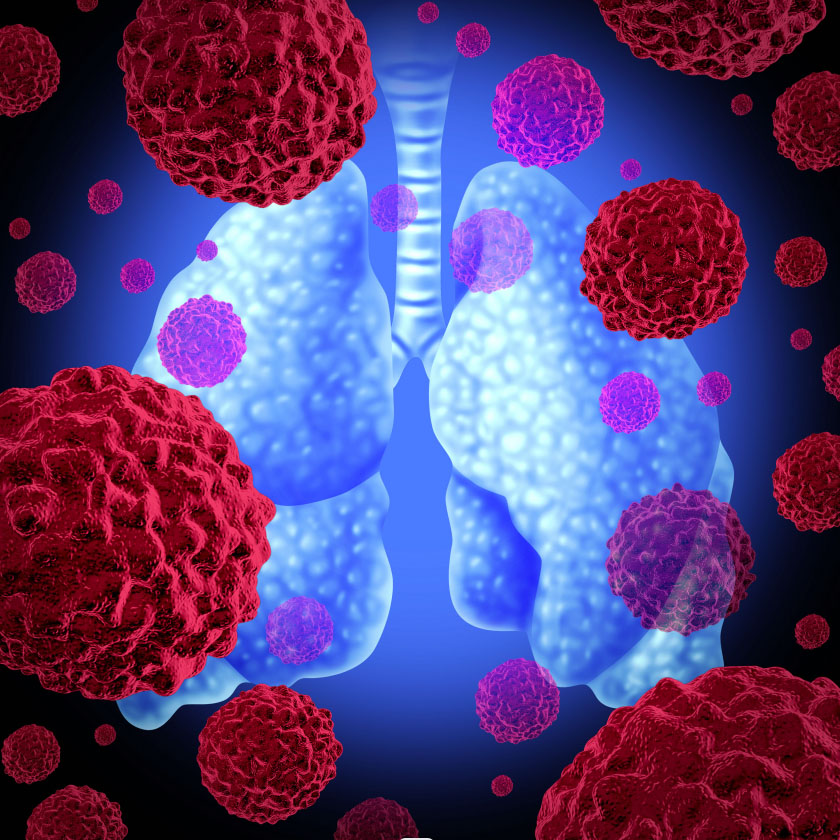
**Advancements in the Management of Small Lung Nodules: A New Hope for Early Detection and Treatment**Small lung nodules, often detected incidentally during routine imaging, have become a significant focus in pulmonary medicine due to their potential to develop into malignant lesions. Early identification and management of these nodules are critical to improving patient outcomes, yet they present unique diagnostic and therapeutic challenges. Recent advancements, supported by innovative healthcare companies, are revolutionizing the approach to small lung nodules, offering new hope for patients worldwide.### Understanding Small Lung NodulesLung nodules are small masses of tissue in the lung, typically measuring less than 3 centimeters in diameter. While many of these nodules are benign, some represent early-stage lung cancers. The critical issue lies in differentiating benign from malignant nodules efficiently and accurately, minimizing unnecessary procedures while ensuring timely intervention.Small lung nodules are often detected during low-dose computed tomography (CT) scans, especially in high-risk populations such as long-term smokers or individuals exposed to certain environmental hazards. However, conventional imaging techniques sometimes struggle to provide definitive diagnoses, leading to frequent follow-ups and patient anxiety.### Challenges in Detecting and Managing Small Lung NodulesThe primary challenge with small lung nodules is their ambiguous nature. Because they are often asymptomatic and too small for biopsy in many cases, clinicians must rely on a combination of imaging features, patient history, and risk assessment models to decide management strategies.Historically, this has resulted in varied practices ranging from watchful waiting with periodic imaging to surgical removal. However, surgical interventions carry inherent risks, and unnecessary resections of benign nodules can lead to complications and increased healthcare costs.### Innovative Solutions and ApproachesThe landscape of lung nodule management is changing, thanks to technological advancements and integrated care approaches developed by healthcare innovators. One such approach involves multi-disciplinary collaboration, integrating radiology, pulmonology, oncology, and pathology to optimize diagnosis and treatment.Key developments include:- **Enhanced Imaging Techniques:** High-resolution CT scans combined with advanced software algorithms enable more precise characterization of nodules. Artificial Intelligence (AI) tools trained on large datasets help in identifying suspicious patterns that human eyes might miss, improving early detection of malignancies.- **Minimally Invasive Biopsy Methods:** Techniques such as electromagnetic navigation bronchoscopy (ENB) and endobronchial ultrasound (EBUS) allow for less invasive sampling of lung nodules, facilitating earlier diagnosis with reduced patient discomfort and risk.- **Risk Assessment Models:** Incorporating patient demographics, smoking history, and imaging findings into predictive models helps clinicians stratify patients accurately, reducing unnecessary procedures and focusing resources on high-risk cases.- **Personalized Treatment Plans:** Tailoring intervention based on individual risk profiles and nodule characteristics optimizes patient outcomes. This might range from close surveillance to surgical resection or emerging targeted therapies.### The Role of Leading Healthcare CompaniesIn driving these advancements, several healthcare companies have played a pivotal role by developing innovative products and services that address the complex nature of small lung nodules.With a commitment to improving pulmonary care, these companies provide state-of-the-art imaging solutions, AI-powered diagnostic platforms, and minimally invasive procedural tools. They also offer integrated patient management systems that bring together specialists across disciplines, ensuring seamless communication and decision-making.Through ongoing research and clinical collaborations, they continually refine their offerings, contributing to evidence-based protocols and best practices in lung nodule management.### Impact on Patients and Healthcare SystemsFor patients, these advances translate to earlier and more accurate diagnoses, less invasive procedures, and personalized care plans that reduce anxiety and improve survival rates. By avoiding unnecessary surgeries and interventions, patients spend less time in the hospital and recover more quickly when treatment is needed.Healthcare systems benefit from streamlined workflows, better allocation of resources, and reduced costs associated with overtreatment or delayed diagnosis. Early detection of lung cancer significantly improves prognosis, which can lower long-term treatment costs and improve quality of life.### Future DirectionsThe future of small lung nodule management looks promising, with ongoing developments in molecular imaging, biomarker identification, and targeted therapies on the horizon. Continued integration of AI and machine learning will likely enhance diagnostic accuracy further, enabling real-time decision support for clinicians.Additionally, increased awareness and screening programs will help identify lung nodules earlier in at-risk populations, shifting the paradigm from reactive treatment to proactive prevention.### ConclusionSmall lung nodules represent a complex challenge in pulmonary medicine, but recent innovations are paving the way for better detection, diagnosis, and management. By leveraging advanced imaging, minimally invasive techniques, and multidisciplinary collaboration, healthcare providers can offer patients more effective and personalized care.The dedicated work of leading healthcare companies continues to be instrumental in this transformation, underscoring the importance of technology and integrated approaches in tackling one of the most pressing issues in lung health today. Together, these efforts hold the promise of saving lives and improving outcomes for countless individuals facing the uncertainty of small lung nodules.
Read More